Adult AI Video Production: What a Single Still Image Reveals and What It Doesn’t
Understanding the Core Question
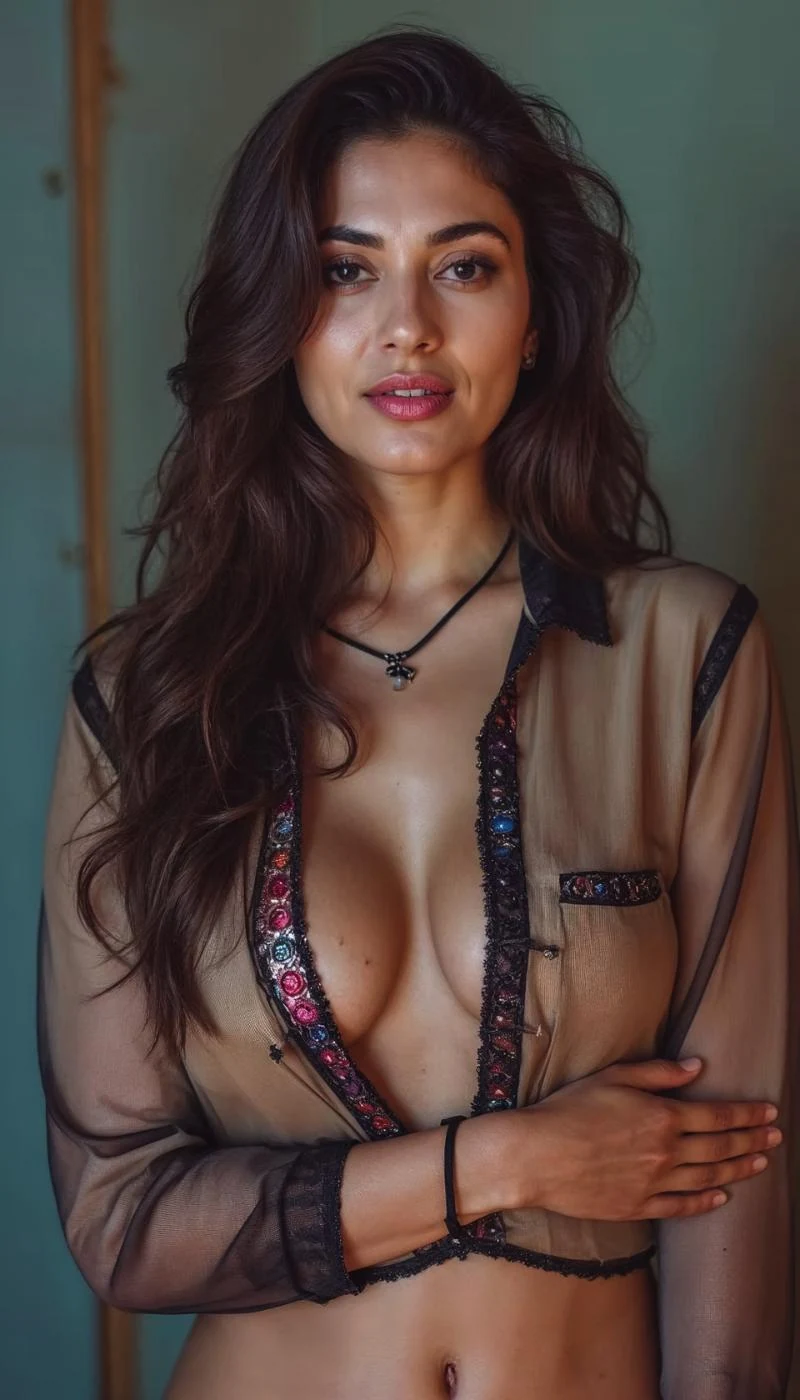
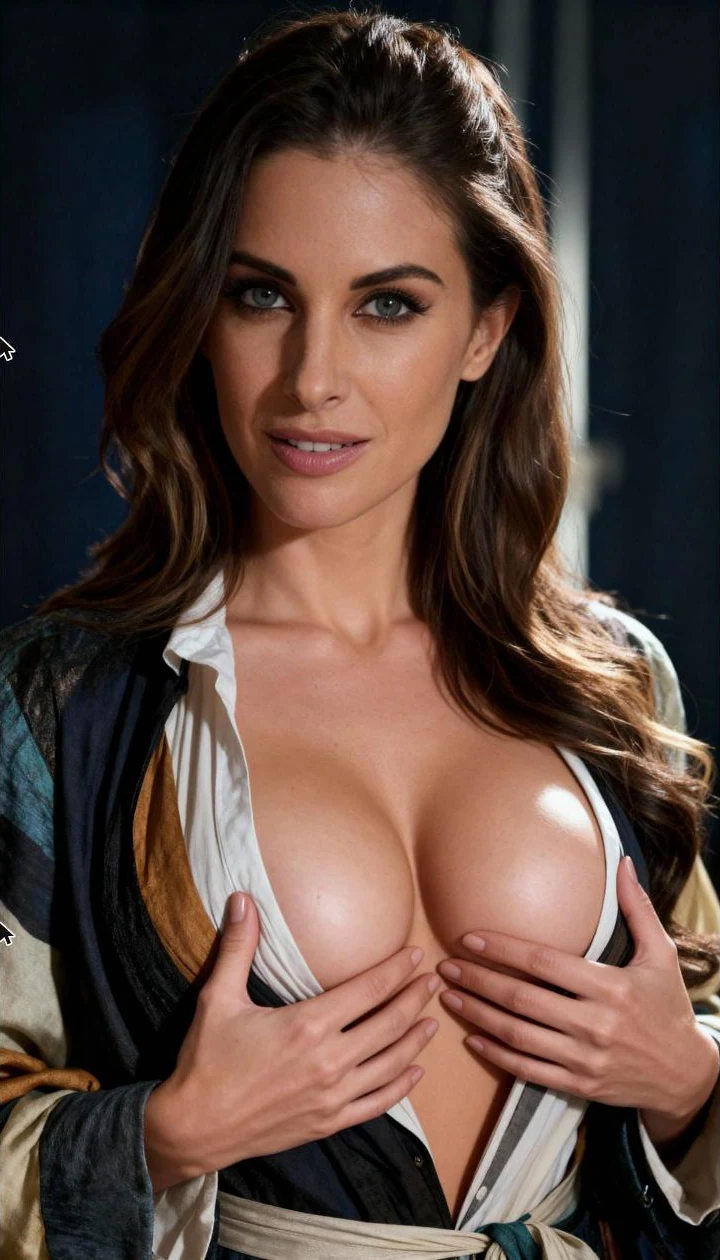
The reader asks: *When I feed a still AI‑generated adult image into a video model, how reliably can I predict the final clip’s appearance, pacing, and narrative?* This question touches three practical dimensions: visual fidelity, motion inference, and ethical review. Answering it requires separating what the image actually encodes from what the video model must infer or fabricate.
What a Still Image Can Communicate
A still image supplies concrete data about:
1. **Composition** – the placement of subjects, background elements, and lighting direction.
2. **Stylistic cues** – color palette, texture, and any artistic filters applied.
3. **Explicit visual markers** – pose, costume, and any props that are clearly visible.
These elements are directly transferable to a video frame, so a model that respects the source can reproduce them with high confidence in the first few seconds of a clip.
What Remains Uncertain in the Transition to Video
Even with a perfect image, a video model must generate:
1. **Temporal dynamics** – how bodies move, how clothing or hair reacts, and how lighting changes over time.
2. **Narrative flow** – whether a scene builds tension, includes a pause, or shifts perspective.
3. **Audio‑visual sync** – any implied sound effects or background music that complement the visual rhythm.
These aspects are not encoded in a single frame, so the output can vary widely depending on the model’s training data, sampling parameters, and randomness.
Concrete Evaluation Criteria for the Resulting Clip
When reviewing a generated clip, consider these measurable checkpoints:
• **Pose continuity** – Does the movement of limbs follow a realistic biomechanical path?
• **Lighting consistency** – Are shadows and highlights coherent across frames?
• **Background stability** – Does the setting stay fixed or drift unintentionally?
• **Prop interaction** – Are objects handled in a way that matches the initial image’s grip?
• **Temporal pacing** – Is the clip’s speed appropriate for the implied action, or does it feel rushed or stalled?
A Non‑Sexual Hypothetical Planning Exercise
Imagine a fictional adult character, Alex, who is a professional dancer. The creative team creates a single AI‑generated portrait of Alex in a dramatic pose, wearing a stylized costume against a neon backdrop. Before committing to a full video, they:
1. List the visual attributes they need to preserve (costume color, neon hue, pose angle).
2. Draft a storyboard that describes Alex’s intended movement (a spin, a leap, a pause).
3. Use the still image as a reference for the first frame, then manually annotate keyframes for the spin and leap.
4. Run the video model with those annotations, then compare the output against the checklist above.
The exercise shows how a still image can anchor visual fidelity while the team supplies the missing motion narrative.
Practical Checklist for Creators Using Still Images as Video Seeds
□ Verify that the source image meets resolution and clarity standards for the target model.
□ Document all visual attributes you expect to stay constant (costume, lighting, background).
□ Create a brief motion script or keyframe sketch that fills the temporal gap.
□ Run a low‑resolution test clip and assess the five evaluation criteria listed earlier.
□ Iterate by adjusting motion annotations or sampling settings before generating the final high‑quality video.
□ Conduct an internal consent and ethical review, confirming that every depicted adult has provided documented agreement for the intended use.
Next Step for Interested Creators
Start by selecting a high‑quality still image, write a concise motion brief, and run a short test generation. Use the checklist to spot gaps, then refine your inputs before committing resources to a full‑length clip.