Adult AI Images vs. AI Video: How Consistency, Motion, and Review Shape Expectations
Why the Medium Matters
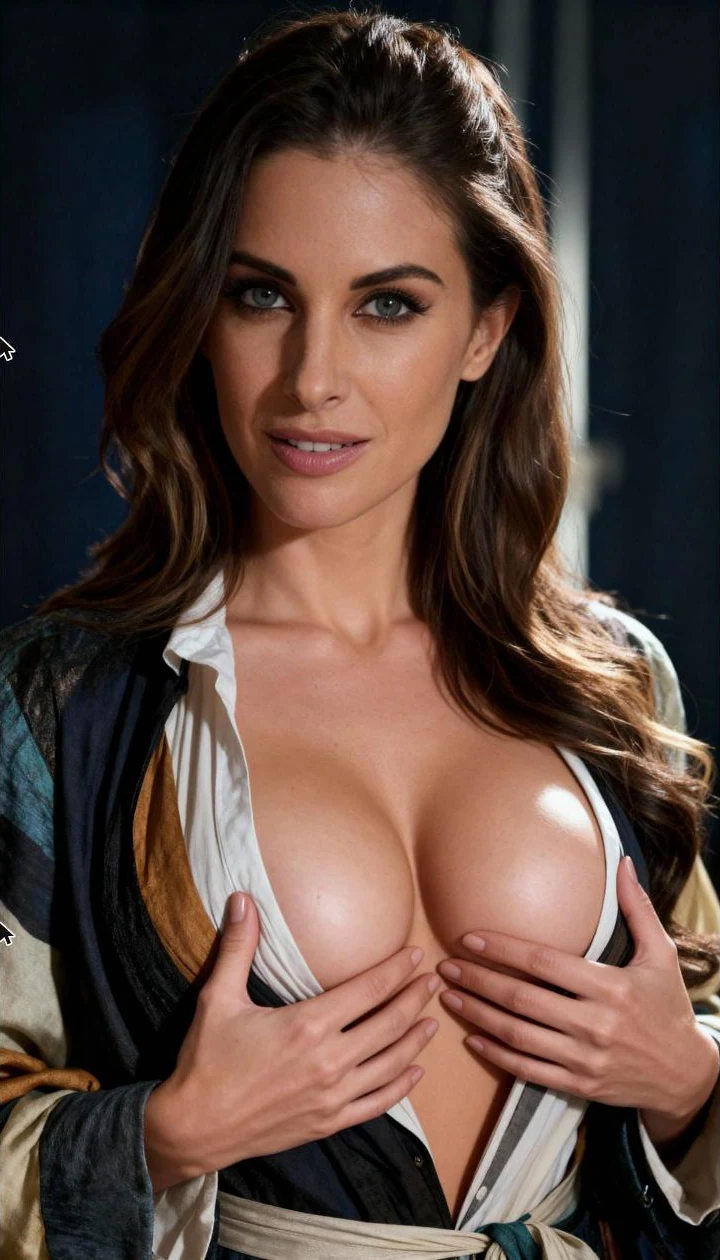
Static AI‑generated images and AI‑generated video serve different creative purposes in the adult‑content market. An image captures a single moment, so visual fidelity, lighting, and composition are the primary quality markers. Video adds the dimension of motion, which introduces new variables such as frame‑to‑frame continuity, temporal coherence, and pacing. Because of these differences, creators must set separate expectations for each medium and evaluate them with distinct criteria.
Core Evaluation Criteria for Adult AI Images
Start with the intended viewing size and inspect whether important details remain legible at that size. Compare the result with the requested composition, lighting, pose, and styling. If you plan a series, examine whether the subject and visual style remain recognisable across separate attempts. Read the platform’s current content rules and do not assume automated filters establish consent or prevent every misuse. Record the displayed credit cost and chosen settings for each attempt, including results you decide not to use. These observations help you compare workflows without relying on an advertised maximum resolution alone.
Core Evaluation Criteria for AI‑Generated Video
Watch for frame-to-frame changes in shape, lighting, and background detail. Inspect whether movement feels continuous or includes jumps, flicker, and sudden changes in direction. Choose duration and output options from those actually available in the current product; this guide does not promise any specific frame rate, duration, audio feature, or export format. Review sound separately when it is part of your workflow. Compare the displayed credit cost of image and video options instead of assuming a fixed relationship between them. A visually attractive first frame is not proof that the rest of the clip will be equally consistent.
A Hypothetical Non-Sexual Planning Example
Imagine a creator planning a short shot of a fully clothed fictional adult dancer in a futuristic costume. This is a planning example, not a report of a completed product test. The creator first defines a readable pose, simple lighting, and a clear background. They would inspect a candidate still image for unwanted details before using it as a reference in an available image-to-video workflow. The requested movement could be a small turn, with the actual duration and other settings chosen from the current interface. No particular output or successful first attempt is assumed.
After generating, the creator would watch the complete clip at normal speed and inspect any visibly inconsistent section. They would compare costume shape, background continuity, and the direction of movement with their original intention. If a revision is needed, changing one supported control or one part of the description at a time makes the difference easier to assess. Keeping the initial reference and a short review note provides a clearer basis for the next attempt than repeatedly generating without a stated goal.
Practical Checklist Before Publishing
Review consent and the permitted use of every reference independently of automated filters. Compare the reference image with the complete video for colour, shape, and style changes. Test playback on the devices where people will view it. Record the displayed credit use for each attempt and check that further revisions fit your budget. Confirm which export formats are actually available and which formats the destination accepts. Read the destination’s current content and labeling requirements before publishing. Keep references and notes only in ways consistent with the relevant permissions and privacy requirements.
Next Steps with Evoke AI
Start by exploring Evoke AI’s web studio to see the current pricing for image versus video generation. Test a single image and a brief clip using the same prompt, then compare the credit cost and output quality. This side‑by‑side trial will give you concrete data to decide how to allocate resources across static and moving NSFW content while staying within ethical and platform constraints.